
HRMS Development
HR software is judged by employees on three things: can I book leave without emailing anyone, is my payslip right, and does the system know I moved desks. Everything else is administration nobody outside HR sees.
Discuss your HRMS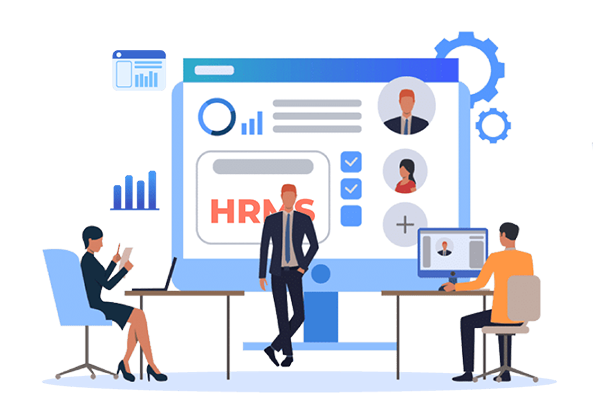
What We Build
The modules an HR function actually runs on.
Onboarding & Records
Digital onboarding, document collection, employee records and org structure.
Attendance & Shifts
Biometric, app or geofenced attendance with shift patterns, overtime and exception handling.
Leave Management
Policies, accruals, approvals and calendars, with the carry-forward rules your policy actually specifies.
Payroll Integration
Payroll inputs generated accurately, or full payroll processing with statutory deductions.
Performance Management
Goals, reviews and feedback cycles that managers will realistically complete.
Employee Self-Service
A mobile app for payslips, leave, documents and requests, which removes most HR email traffic.
What Is Included
Approval hierarchies
Multi-level approvals following your reporting structure, with delegation during absence.
Document management
Contracts, certificates and IDs stored with expiry tracking and access control.
Reminders
Probation ends, document expiries and review cycles surfaced before they are missed.
HR analytics
Headcount, attrition, absence and cost reporting for management.
Data protection
Access control and retention appropriate to employee data, which is among the most sensitive you hold.
Multi-entity support
Several legal entities, locations and policy sets in one system.
Industries Running On Our Systems
Business systems have to fit how a sector actually operates — its approvals, its compliance, its reporting. We start from that, not from a template.
Talk to our teamAdvanced Platform Capabilities
Business systems are judged years after launch. These are the parts that decide how that goes.
Identity & permissions
SSO, SCIM and role-based access mapped to your real reporting structure.
Audit trails
Who changed what and when, on every record that a dispute or an auditor could reach.
Integrations
ERP, accounting, banking and support systems connected so data is entered once.
Background processing
Queues with retries, dead-letter handling and visibility into what failed.
Safe migrations
Schema and data changes that deploy without downtime and can be rolled back.
Handover documentation
Architecture, operations and runbooks written as part of delivery, for your team to own.
How We Deliver
Core records first, then the modules that save the most time.
Policy workshop
Your policies read and turned into explicit rules, including the awkward cases.
Core and self-service
Employee records, leave and self-service built and piloted.
Attendance and payroll
Attendance capture and payroll integration, reconciled against a manual cycle.
Extend
Performance, analytics and any remaining modules once the core is trusted.
Give HR Their Time Back
Send us your leave and attendance policies. We will tell you what can be automated and what will need judgment.
Talk to our teamHRMS Questions
Everything you need to know about our business solutions work.